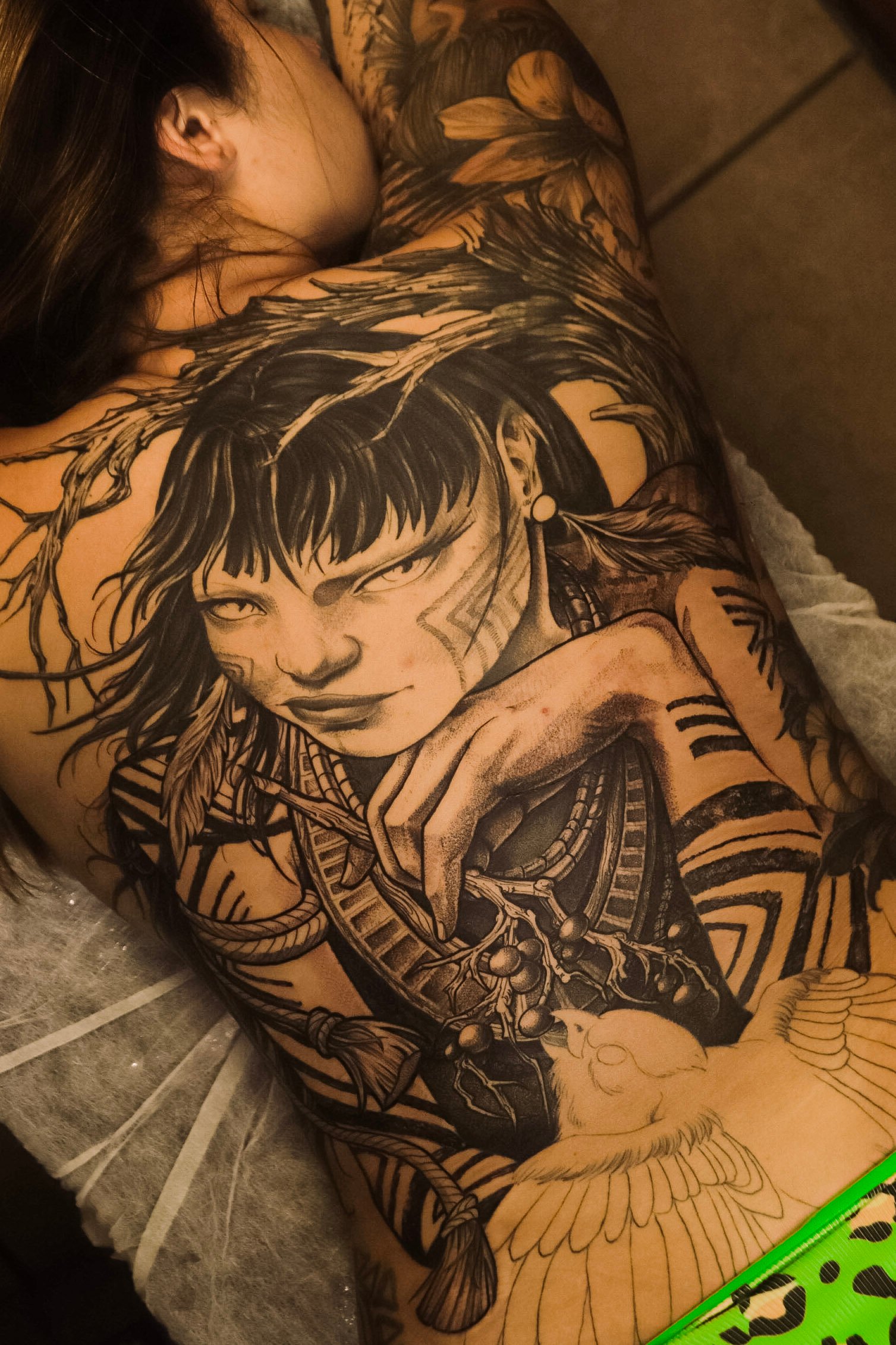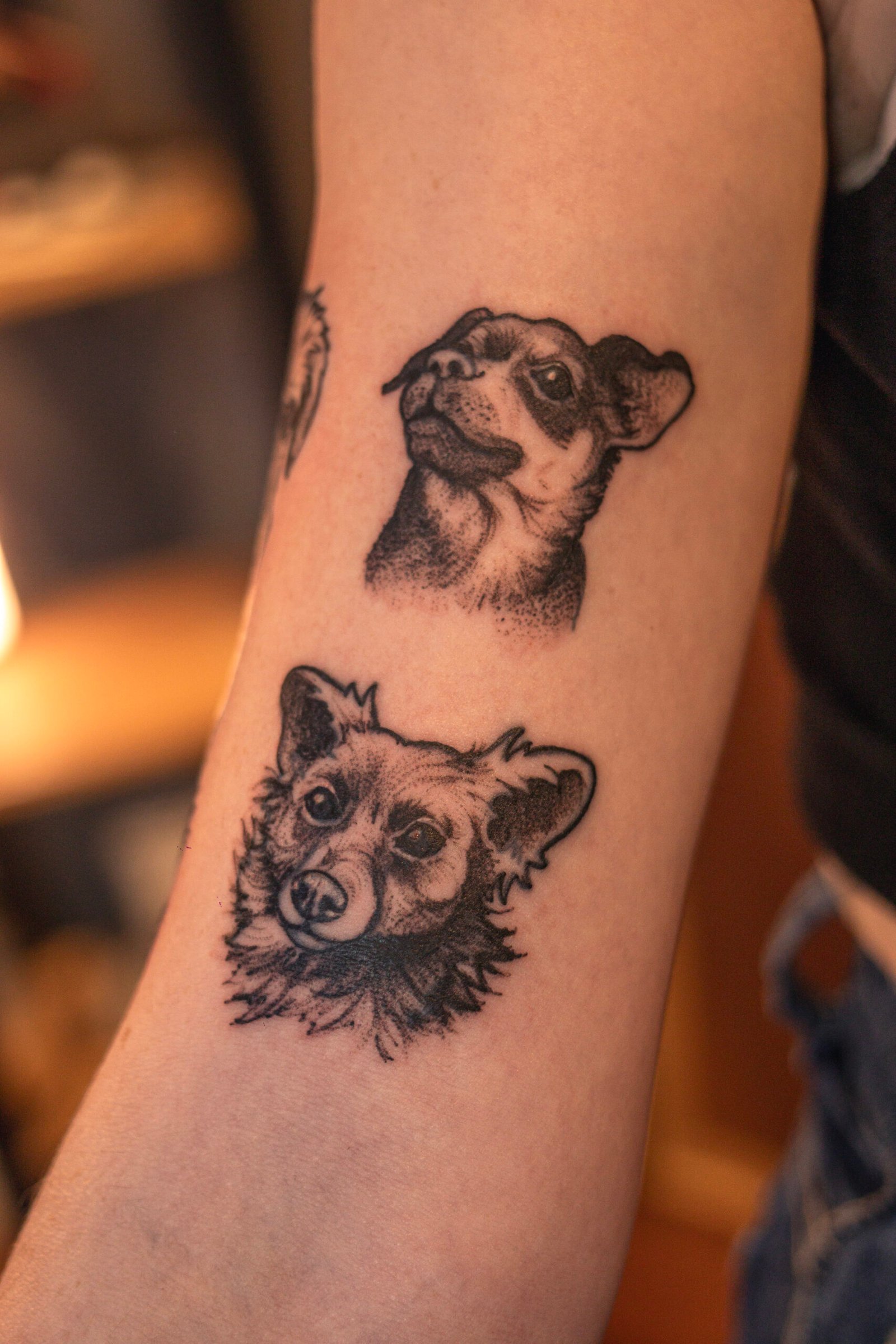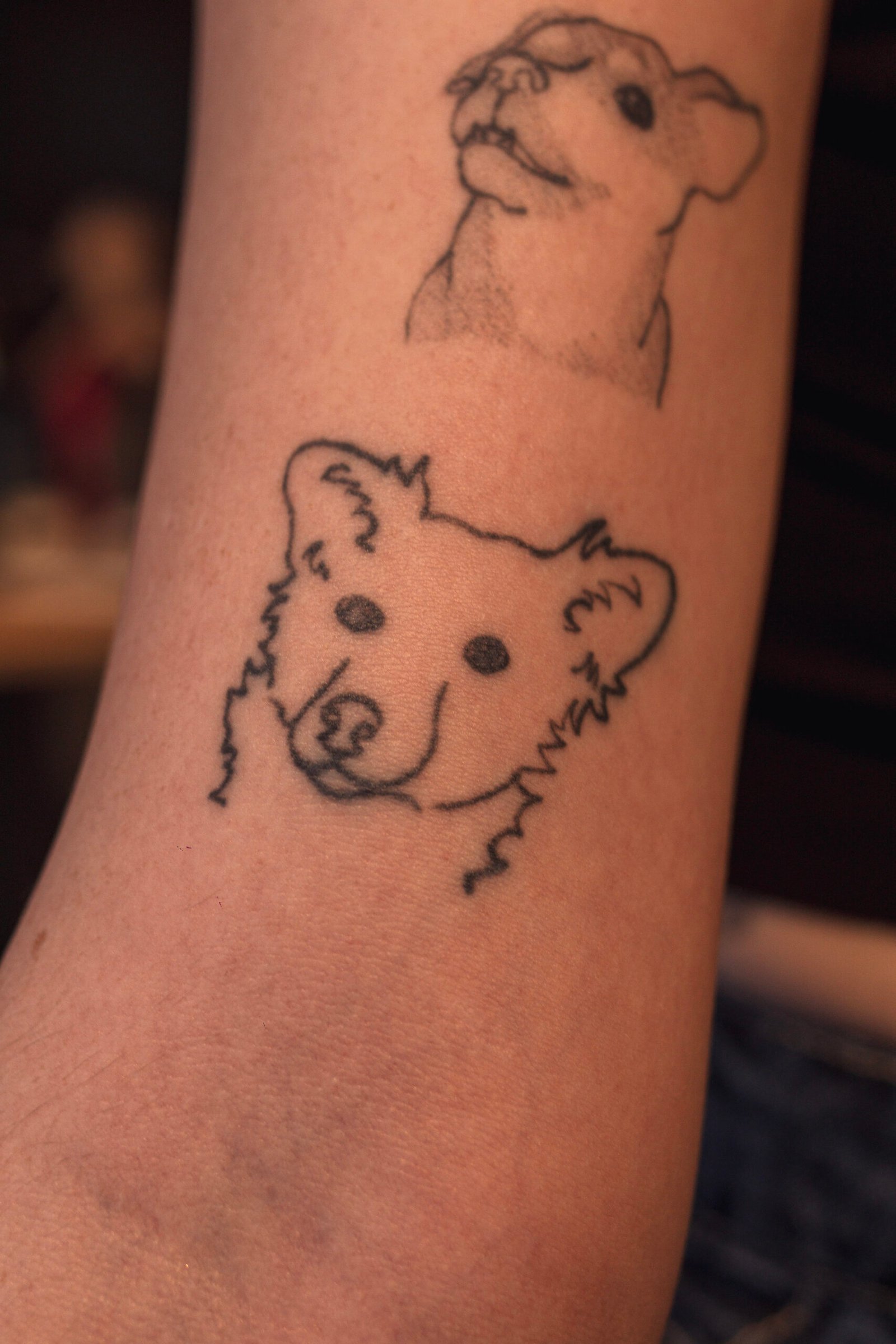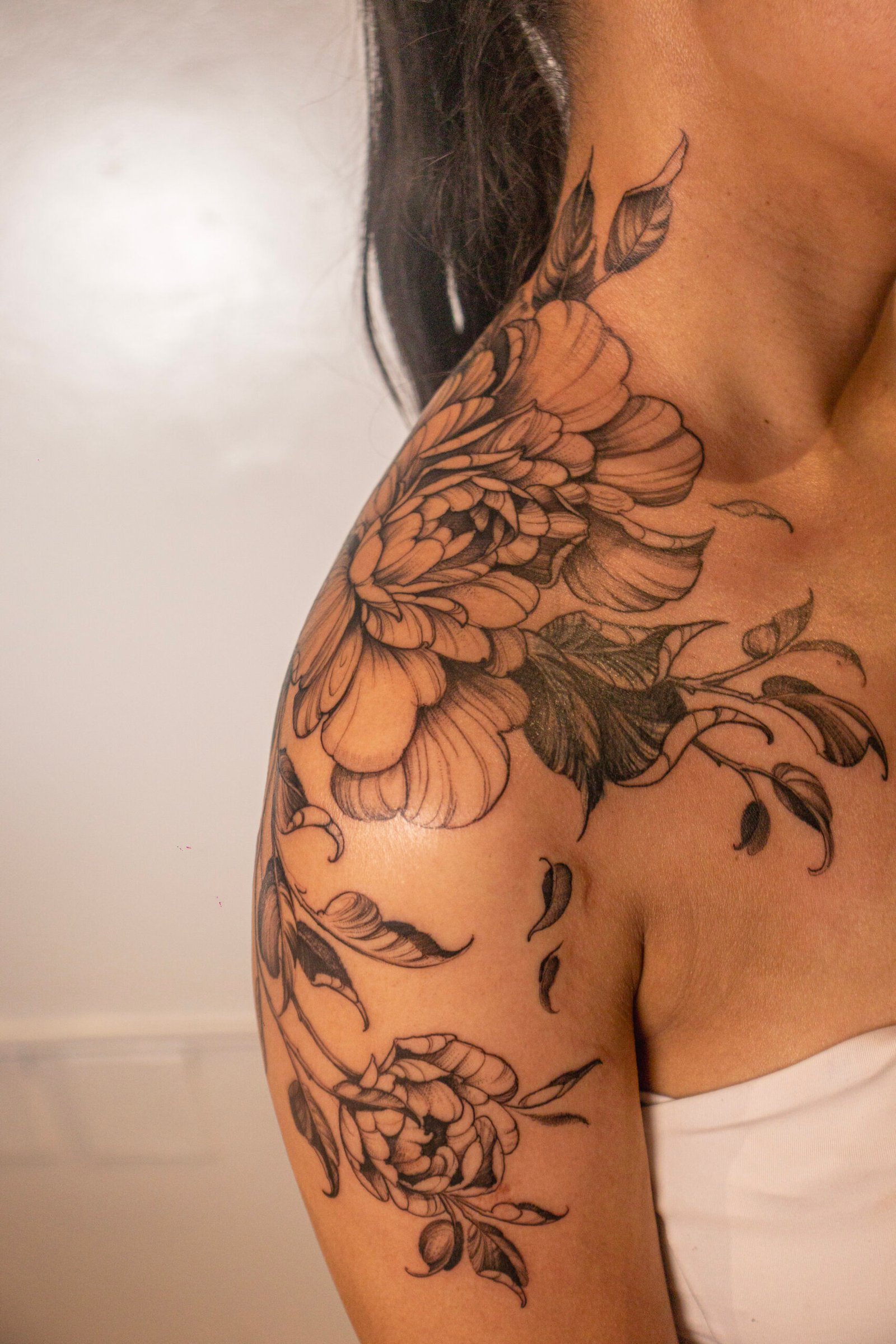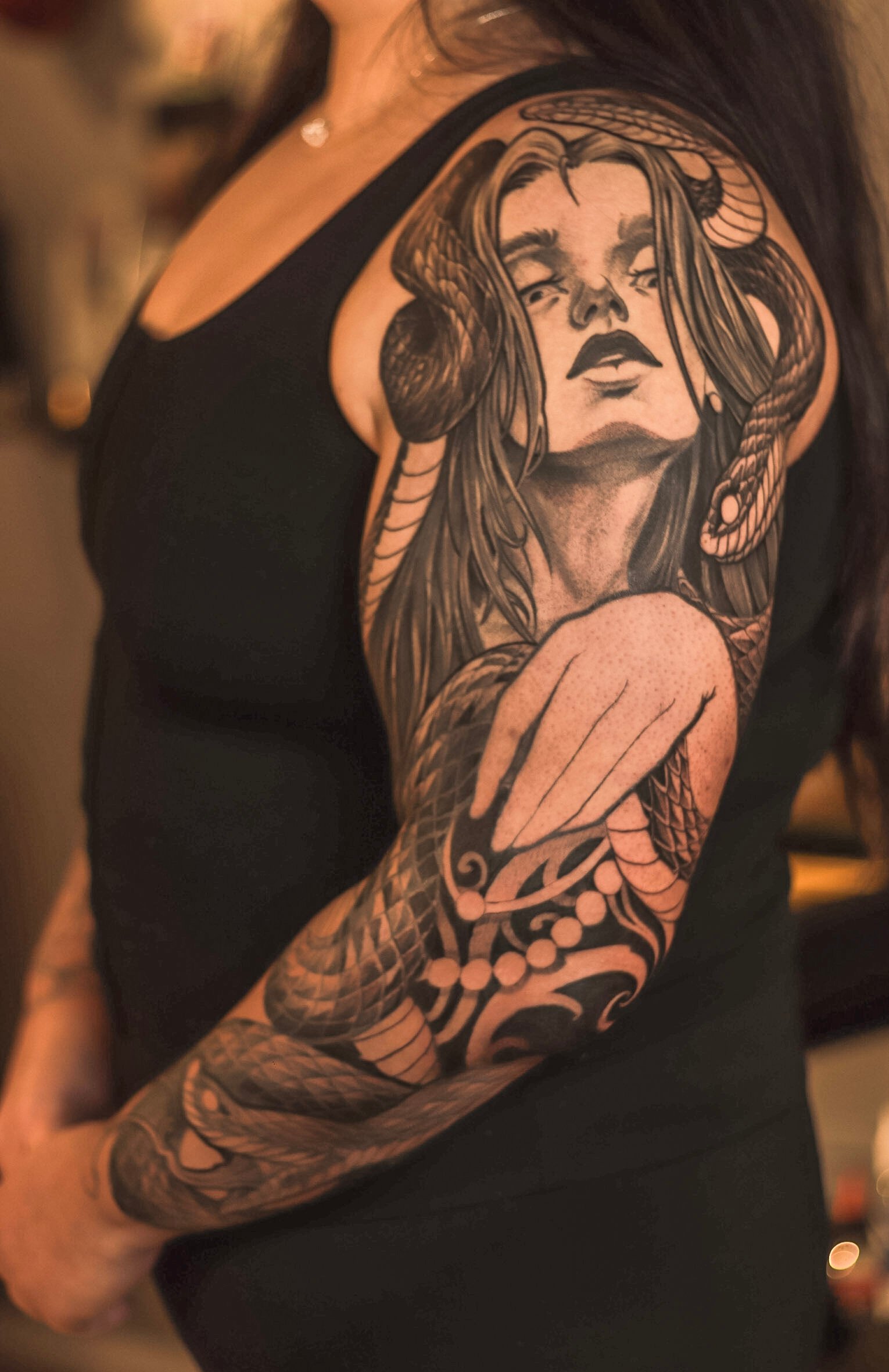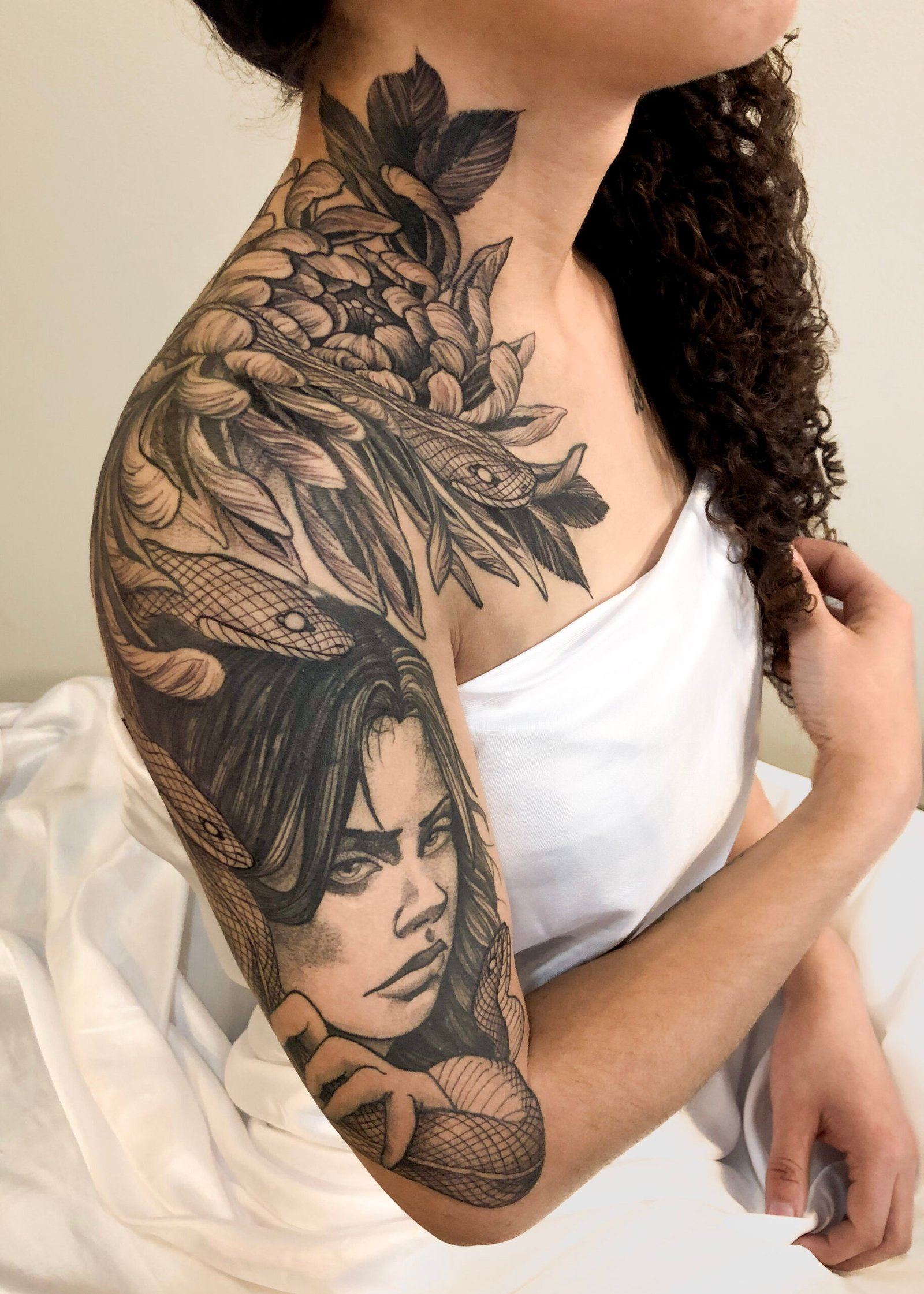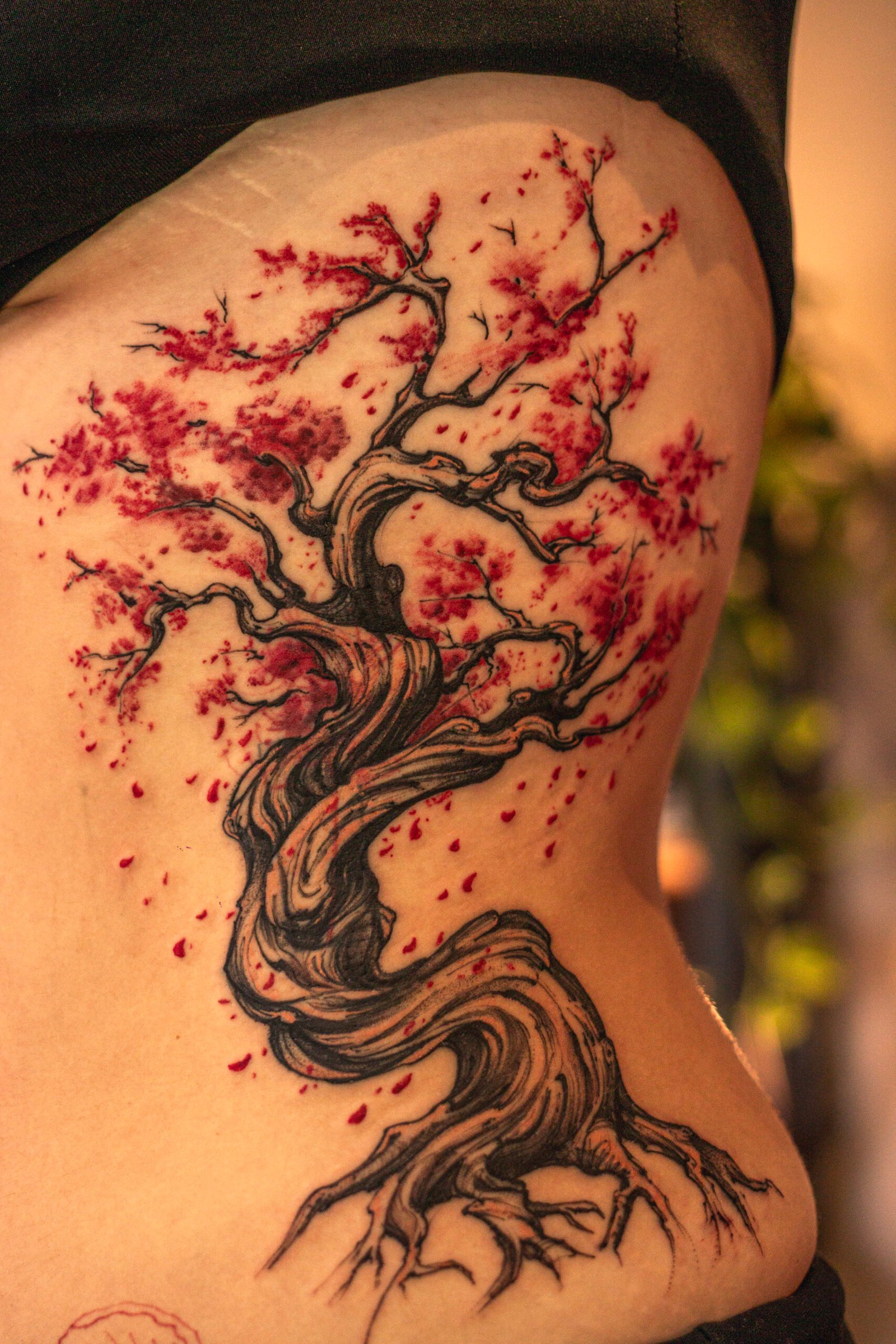
Redesigns and Cover-ups
A simple and direct guide to transforming an old tattoo into art that truly represents you.
There comes a time in life when a tattoo no longer matches the person you've become. Sometimes it's the style, other times the line work, the story, or simply how it has aged.
Refurbish or cover a tattoo
Many people come to me with a mix of anxiety, doubt, and hope, three absolutely normal emotional states when we talk about correcting something that's on the skin. Therefore, I want to guide you through the reasoning I always share with my clients, with calm and clarity, to help you think about this process in a light and conscious way.
1. Understand the real need: refurbish or cover?
Before thinking about the design, style, or size, the first question is:
Does your tattoo need to be corrected or replaced?
Refurbishing works when the design still has structure, but lacks life, contrast, or finish. In this case, we improve what already exists.
Covering comes in when the current tattoo has problems that cannot be fixed with just a touch-up. Here, we work with a new piece of art that neutralizes and recontextualizes the previous one.
This distinction is essential to avoid frustration and guide the process more realistically.
2. Don't start with the design, but with the idea
Most people arrive saying: “I want to cover it with this image, it has a lot of black so I think it will cover.”
But, in practice, a good cover-up doesn't start there.
A cover-up starts with intention.
The design comes later.
Ask yourself:
What do you want to feel when you look at this new tattoo?
If you weren't getting a cover-up, imagine what you would have in that same area?
Do you prefer something fluid that adapts to the body's movement or something more structured and defined?
These questions guide the artist toward a more structured path aligned with what truly matters to you: meaning + aesthetics.
3. Not every image is ideal for a cover-up
This is a delicate point:
Not every reference works.
And this isn't about taste it's about technique.
Very light images, with a lot of empty space, with thin lines, or with large areas of un-filled skin do not neutralize an old tattoo.
In these cases, I always tell my clients:
“We can use it as a base to create, but not as the final artwork.”
And, based on what works, we create something that makes sense to you and fulfills the cover-up function in the best possible way.
4. Trust the body's flow
A cover-up should not fight the anatomy, it should dance with it.
When I create a cover-up design, the first step isn't simply pasting an image onto the skin, but rather observing. I look at:
muscle direction,
natural body shadow areas,
curves, volume, and movement,
points that draw the most attention.
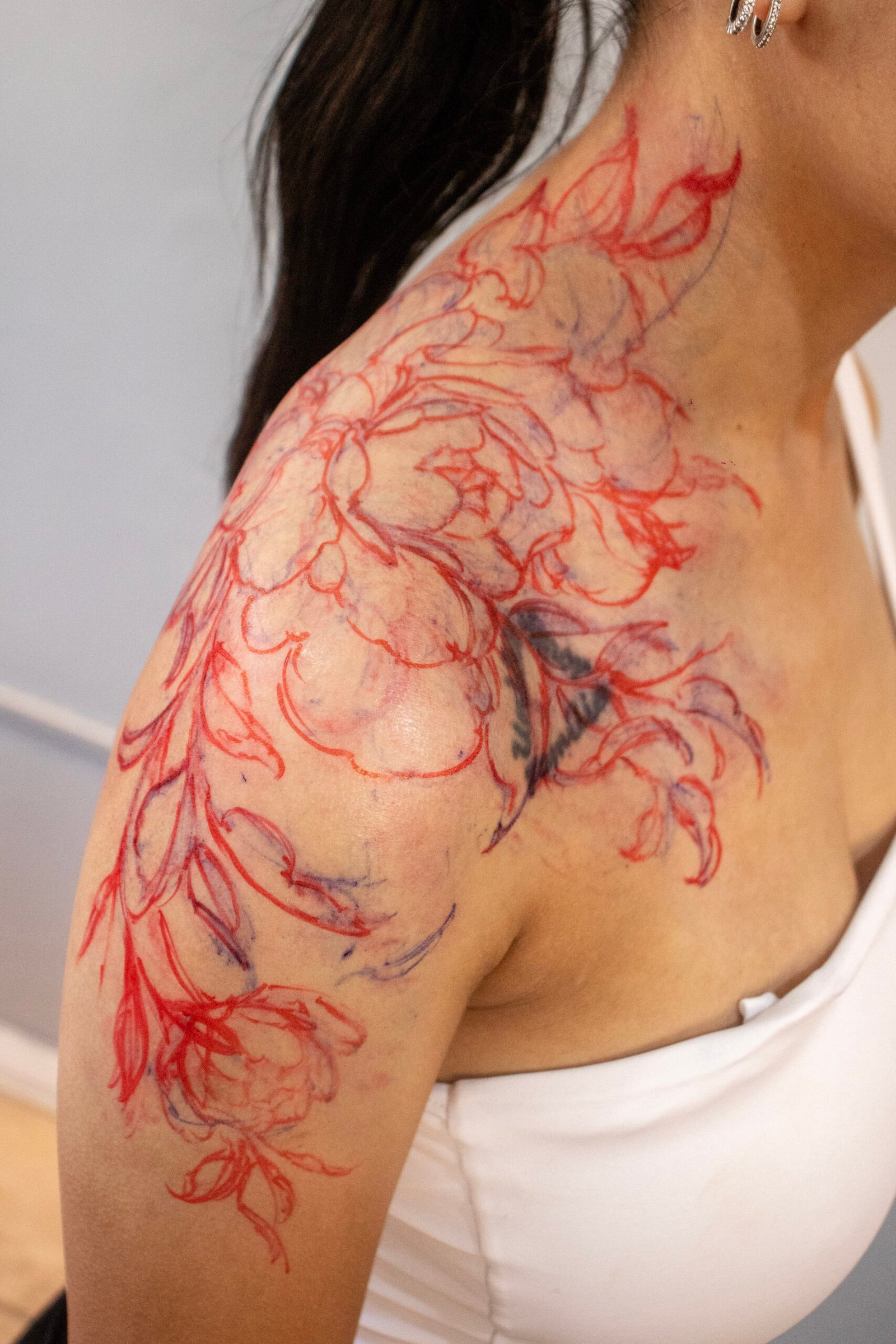
From this, the freehand comes to life, fitting the art as if it always belonged in that space.
5. Every process begins with a sincere conversation
More than a new tattoo, a cover-up requires:
alignment of expectations,
clarity about what is possible,
understanding what the client fears and desires,
and creating together something that respects their story without being stuck in it.
6. The most important thing
Many people arrive feeling ashamed of their old tattoo.
But there is no shame in change, there is courage.
A cover-up is, above all, a gesture of self-care.
It's acknowledging that you have changed, grown, and want art that accompanies this evolution.
And that, for me, is one of the most beautiful things there is.